The Hairstyle HubNatural Hair › Bantu Knots Tutorial

Bantu Knots Tutorial

By Jasmine Carter · Published 2026-07-19 · Medium difficulty · 1 hr

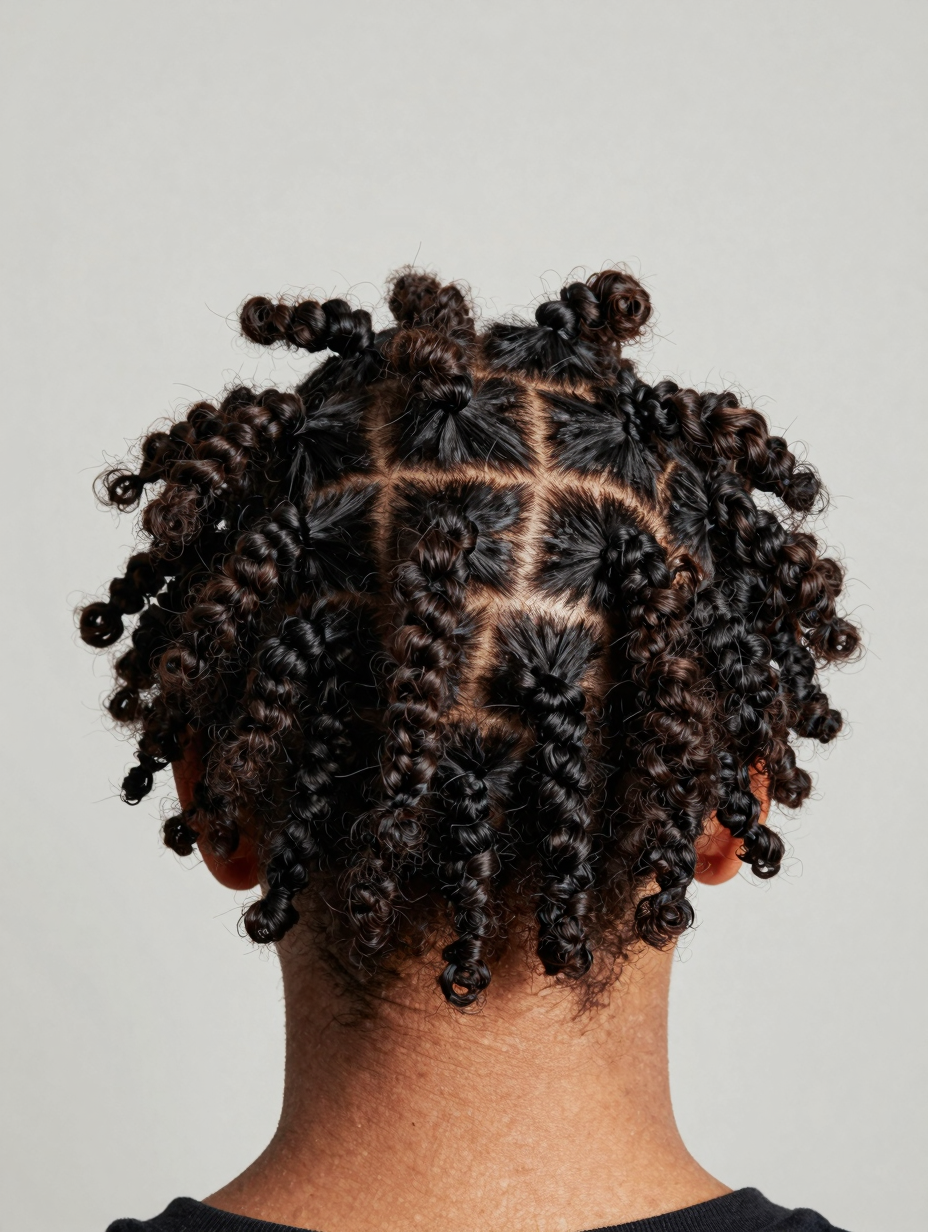
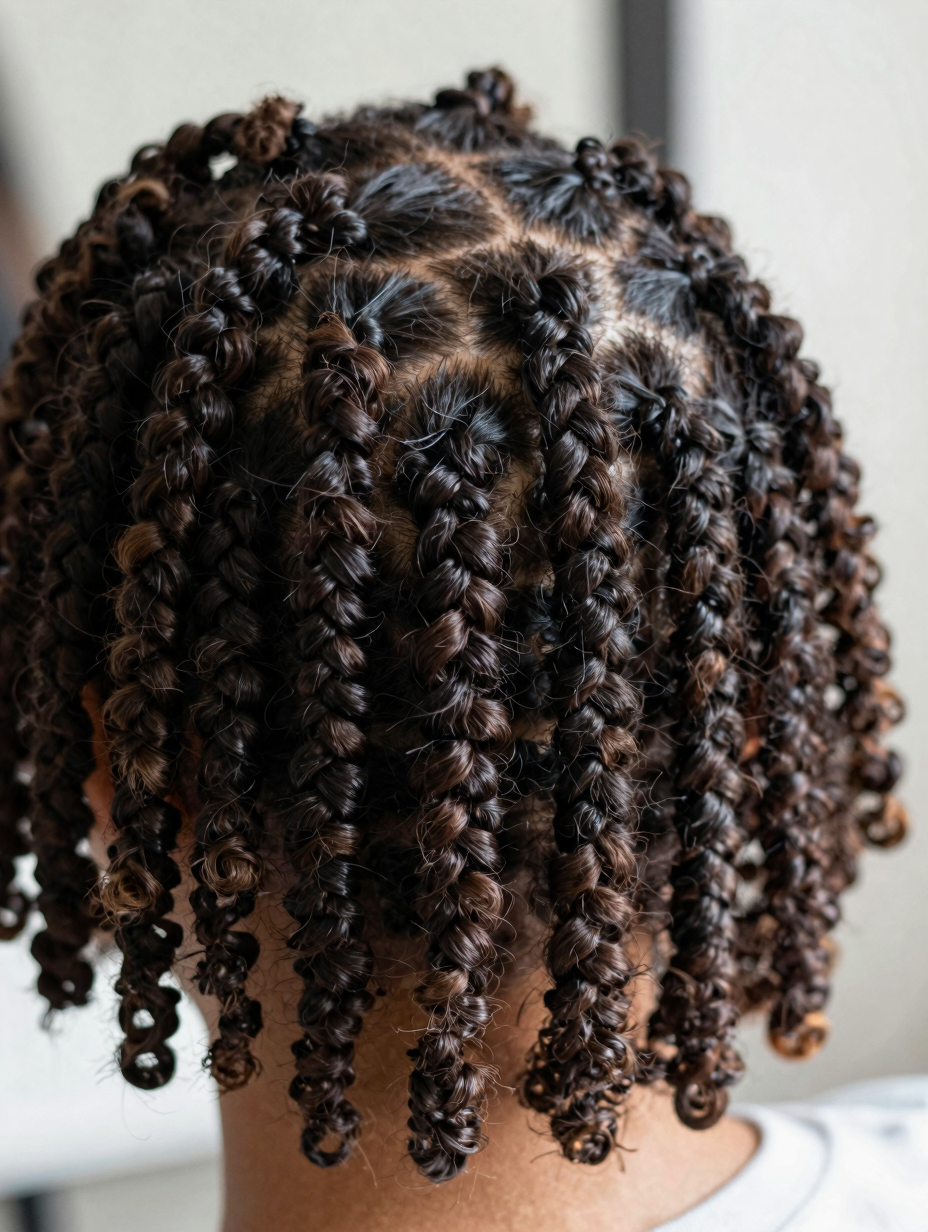
Bantu knots styled across natural coily hair, evenly sectioned

Bantu knots do double duty — worn as-is they're a striking protective style, and unraveled after drying they become a heat-free way to set a defined, springy curl pattern on natural hair.

The technique itself is simple twisting and coiling, but getting knots that hold their shape without slipping loose by evening comes down to product choice and how tightly the base is wrapped.
Jump to Tutorial ↓

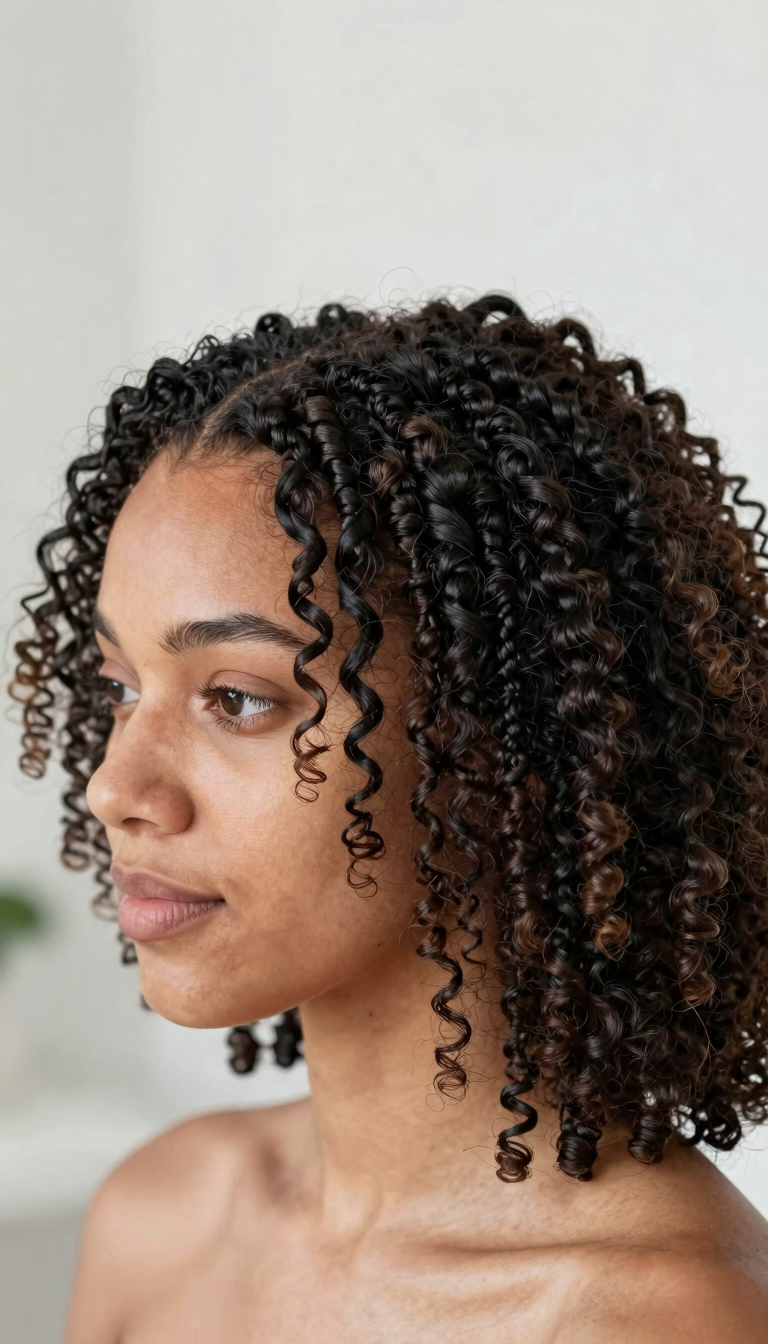
Let the knots dry completely before unraveling if the goal is a knot-out — unraveling even slightly damp knots collapses the curl definition almost immediately, the same way an early twist-out unravel does.

Bantu knots hairstyle, full head view from above Save this tutorial for later — pin it to your natural hair board.

Bantu Knots Tutorial

Difficulty: Medium Time to style: 1 hr Hair type: coily, kinky Hair length: short-to-medium

What You'll Need

Steps

  1. 1. Section into squares

    On damp, detangled hair, part into small to medium square sections across the whole head using the rat-tail comb.

  2. 2. Apply product

    Smooth a small amount of leave-in and twisting cream through each section to add hold and reduce frizz before twisting.

    Close-up of a single tightly wrapped Bantu knot secured at the base
  3. 3. Twist each section

    Twist each section around itself tightly, root to tip, as if making a single large rope twist.

  4. 4. Coil into a knot

    Wrap the twisted section around its own base in a tight spiral, tucking the end underneath and securing with a bobby pin if the hair is slippery.

  5. 5. Repeat and let set

    Repeat across the whole head, then either wear the knots as-is or let them dry fully before unraveling for a curly Bantu knot-out.

Tips & Common Questions

What's the difference between Bantu knots and a Bantu knot-out?

Bantu knots are the finished style with the knots still in; a knot-out is what you get after they're dry and unraveled — the twisting sets a tight, defined curl that a regular twist-out doesn't produce.

Do Bantu knots damage natural hair?

Not when done gently — the risk comes from twisting too tightly at the root or leaving them in for too many days without moisturizing, which can strain the hairline over repeated styles.

How many knots should the head be divided into?

Anywhere from 6 to 20 depending on hair density and how tight a curl is wanted afterward — fewer, larger knots give looser waves, while more, smaller knots give a tighter, more defined curl.